Official-Affiliate
Official-Affiliate
Chi Siamo
About Us

Sponsor Principali
Main Sponsors


r/Black_Angel_Team

TikTok
TikTok
- Assetto Corsa EVO — Update 0.9 Disponibile: Nuove Vetture, Classifiche Online e Aggiornamento del Modello Fisico – Assetto Corsa EVO — Update 0.9 Disponibile: Nuove Vetture, Classifiche Online e Aggiornamento del Modello Fisico L'Update 0.9 di Assetto Corsa EVO è o...
- Automobilista 2 V1.6.9.91 è Ora Disponibile — Ulteriori Correzioni e Miglioramenti – Automobilista 2 V1.6.9.91 è Ora Disponibile — Ulteriori Correzioni e Miglioramenti Reiza Studios ha rilasciato il piccolo aggiornamento V1.6.9.91 per Auto...
- Project Motor Racing — PMR Test Centre: Un Circuito di Prova Gratuito per Tutta la Community – Project Motor Racing — PMR Test Centre: Un Circuito di Prova Gratuito per Tutta la Community Il team di Project Motor Racing ha rilasciato gratuitamente tramite ...
Notizie
News
03
Agosto
2025

La Pole Position che Nessuno si Aspettava

La Pole Position che Nessuno si Aspettava
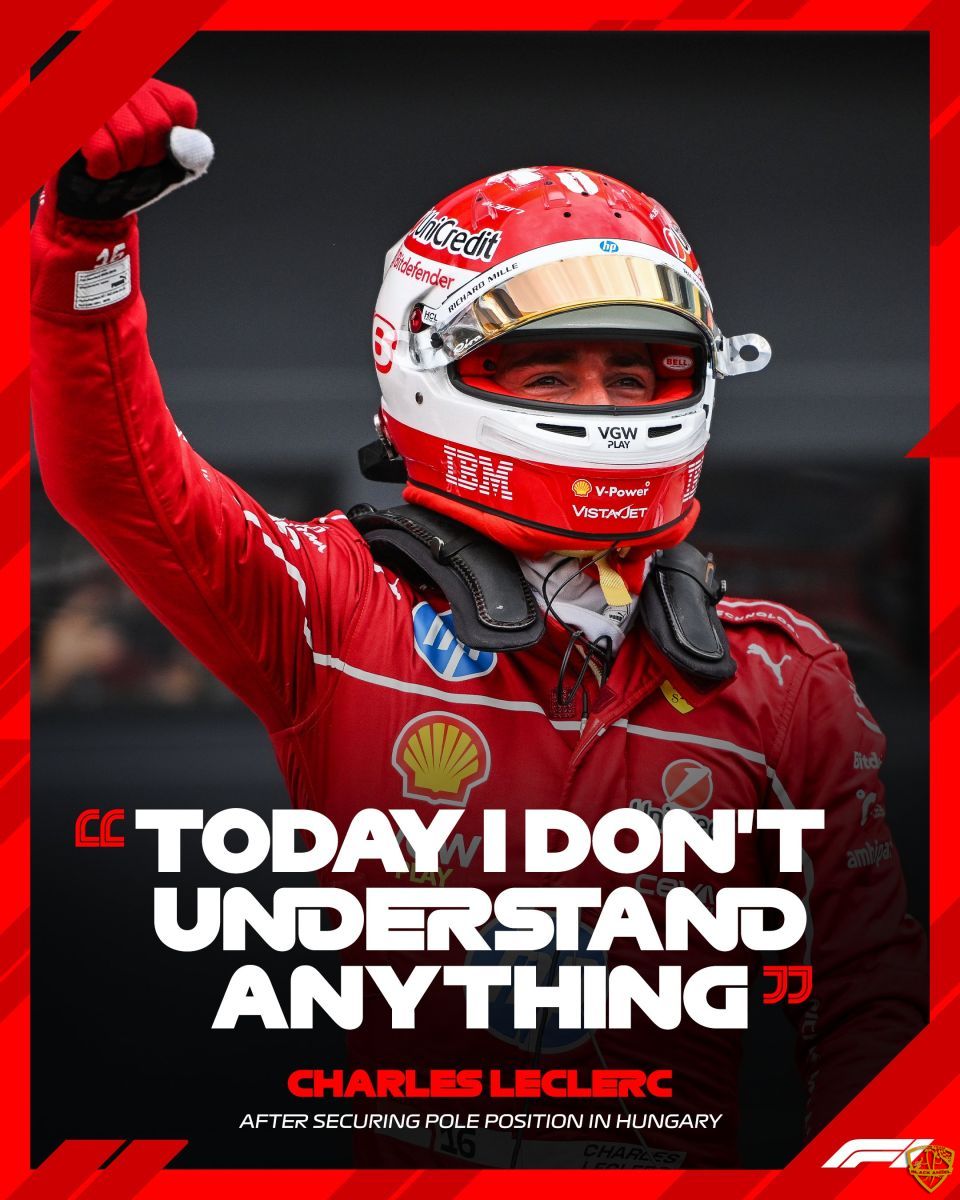
Charles Leclerc ha regalato una delle pole position più sorprendenti e meritorie della sua carriera al Gran Premio d'Ungheria 2025, conquistando la prima posizione con un margine di soli 26 millesimi su Oscar Piastri e precedendo anche Lando Norris. Una prestazione straordinaria che ha ribaltato i pronostici e dimostrato ancora una volta il talento cristallino del pilota monegasco.
Il Contesto: Un Weekend Difficile per la Ferrari
Fino al Q3, il weekend ungherese sembrava destinato a essere l'ennesima delusione per la Rossa. Durante le prove libere e le prime due sessioni di qualifica, la SF-25 aveva mostrato evidenti difficoltà nell'attivazione delle gomme, con Charles costantemente fuori dalle prime posizioni. La situazione era talmente critica che Lewis Hamilton è stato eliminato nel Q2, mentre lo stesso Leclerc si lamentava via radio delle condizioni della vettura.
I problemi principali emersi durante il weekend:
- Difficoltà nell'attivazione degli pneumatici
- Scarsa aderenza nelle prime fasi del giro
- Instabilità della vettura, specialmente nelle curve tecniche
- Problemi di frenata in curva 6 e ingresso della curva 12
- Overheating del posteriore nel settore finale
L'Analisi Telemetrica: Dove Leclerc Ha Fatto la Differenza
L'analisi dei dati telemetrici rivela i segreti della prestazione magistrale del monegasco. Confrontando il giro pole di Leclerc con quello di Piastri, emergono diversi aspetti chiave:
Settore 1: Il Vantaggio Iniziale
Nel primo settore, Leclerc ha guadagnato 59 millesimi cruciali su Piastri. La differenza è stata fatta da:
- Migliore gestione dell'outlap: timing perfetto per portare le gomme in temperatura
- Ottimizzazione delle curve 1 e 2: maggiore precisione nel trovare il punto di corda
- Gestione termica superiore: la SF-25 è riuscita a mantenersi nella finestra operativa ottimale
Chicane 6-7: Il Punto di Svolta
Uno degli aspetti più significativi è emerso alla chicane 6-7, dove il lavoro svolto tra FP1 e FP2 ha dato i suoi frutti:
- Trail-braking migliorato: Charles è riuscito a ottimizzare la fase di frenata
- Anteriore più saldo: migliore controllo nel cambio di direzione
- Velocità superiore: +5 km/h di vantaggio a centro curva rispetto a Piastri
- Anticipo sull'acceleratore: ritorno sul gas alcuni metri prima dell'australiano
Curva 11: La Differenza Decisiva
In curva 11, Leclerc ha mostrato tutta la sua classe:
- Velocità minima ottimale: gestione perfetta della traiettoria
- Uscita di curva superiore: guadagno significativo nella fase di accelerazione
- Gestione cordoli: approccio più conservativo ma efficace rispetto a Piastri
I Fattori Tecnici che Hanno Favorito la Ferrari
Setup Aerodinamico
L'analisi delle configurazioni ha rivelato che la SF-25 montava un setup più scarico rispetto alla McLaren:
- Vantaggi: maggiore velocità di punta sui rettilinei
- Svantaggi: potenziale maggiore usura gomme in gara
- Compromesso: bilanciamento ottimale per il giro secco
Condizioni Atmosferiche
Le condizioni della pista sono cambiate drasticamente nel Q3:
- Temperature più basse: hanno favorito la gestione termica della Ferrari
- Vento variabile: ha penalizzato le McLaren, più sensibili a questa variabile
- Evoluzione dell'asfalto: la Ferrari si è adattata meglio alle nuove condizioni
Gestione Gomme
Un aspetto cruciale della prestazione è stata la gestione degli pneumatici:
- Finestra operativa: la SF-25 è riuscita a rimanere più a lungo nella zona ottimale
- Degrado termico: controllo superiore del surriscaldamento posteriore
- Attivazione: timing perfetto per portare le Soft in temperatura
Il Giro Perfetto: Analisi Lap by Lap
Il giro pole di Leclerc (1:15.372) è stato il risultato di una combinazione perfetta di fattori:
Preparazione del giro:
- Outlap gestito in modo ottimale per la temperatura gomme
- Posizionamento strategico per evitare il traffico
- Comunicazione efficace con il muretto per la gestione della mappatura frenata
Esecuzione:
- Primo settore: attacco deciso con guadagno di 59 millesimi
- Secondo settore: gestione intelligente del grip disponibile
- Terzo settore: massimizzazione del potenziale nonostante le gomme stanche
Il Confronto con le McLaren
Le analisi tecniche hanno dimostrato che, in condizioni normali, le McLaren avrebbero dovuto dominare:
- Piastri ideale: avrebbe potuto guadagnare 6 decimi su Leclerc
- Norris potenziale: 2 decimi di vantaggio sul monegasco
- Fattore esecuzione: solo Leclerc è riuscito a mettere insieme il giro perfetto quando contava
Implicazioni per la Gara
La pole position, per quanto straordinaria, presenta delle sfide per la gara:
- Usura gomme: il setup più scarico potrebbe penalizzare la durata degli pneumatici
- Passo gara: le McLaren rimangono favorite per la prestazione sul lungo
- Strategia: sarà cruciale gestire al meglio le soste e la degradazione
Conclusioni
La pole position di Charles Leclerc al GP d'Ungheria 2025 rappresenta uno dei capolavori della sua carriera. Non solo per il risultato in sé, ma per il modo in cui è stata conquistata: trasformando una situazione apparentemente compromessa in un trionfo attraverso il talento puro, la lettura perfetta delle condizioni e un lavoro tecnico impeccabile.
Come ha dichiarato lo stesso Leclerc: "È probabilmente una delle migliori pole position che abbia mai fatto". Una valutazione che, alla luce dell'analisi tecnica, appare più che giustificata.
La prestazione del monegasco dimostra ancora una volta che in Formula 1, anche quando le carte sembrano distribuite diversamente, il fattore umano può ancora fare la differenza. E Charles Leclerc, in questo, rimane uno dei maestri assoluti.

Ascolta l'Articolo
Devi essere registrato per scrivere commenti!
• Registrati
• Per iscriversi